The length that worked in January may be the wrong length in July. Nail length is a working decision, and the work changes with the seasons in Albemarle: garden beds and lake days in summer, heavy cooking and gift wrapping in the holiday stretch, gloves and dry skin all winter. Instead of picking one length and defending it all year, many people do better with a seasonal plan, a home length for ordinary months and a shorter, tougher setting for the weeks when hands take a beating.
Run through this checklist before each season turns. Each item has a clear pass sign, so the decision takes a minute rather than a debate in the chair.
The seasonal length checklist
Check your length against the season ahead
- Garden and yard work coming? Pass at medium or shorter. Soil packs under long nails, gloves tear at the fingertips, and a spade handle levers a long nail exactly where it cracks.
- Swim and lake season? Pass at short to medium. Long soaks soften the natural nail under a set, and longer nails lift sooner with daily water time.
- Typing load steady? Pass at the length where your finger pads, not your nail tips, strike the keys. If error rates climb in the first week, the set is too long for the job.
- Instrument practice or lessons? Pass short. Piano keys and guitar fretboards do not negotiate, and a term of practice will punish length every single day.
- Holiday cooking and hosting? Pass at medium at most. Knives, hot trays, washing up, and opening packaging all peak in the same two weeks.
- Winter dryness setting in? Pass shorter rather than longer. Dry nails are less flexible, so the same length that survived summer bends less and breaks more in heated indoor air.
- Event photos on the calendar? A longer set passes for a single event window if it comes off or shortens right after, before ordinary life resumes.
The adjustment week, once per change
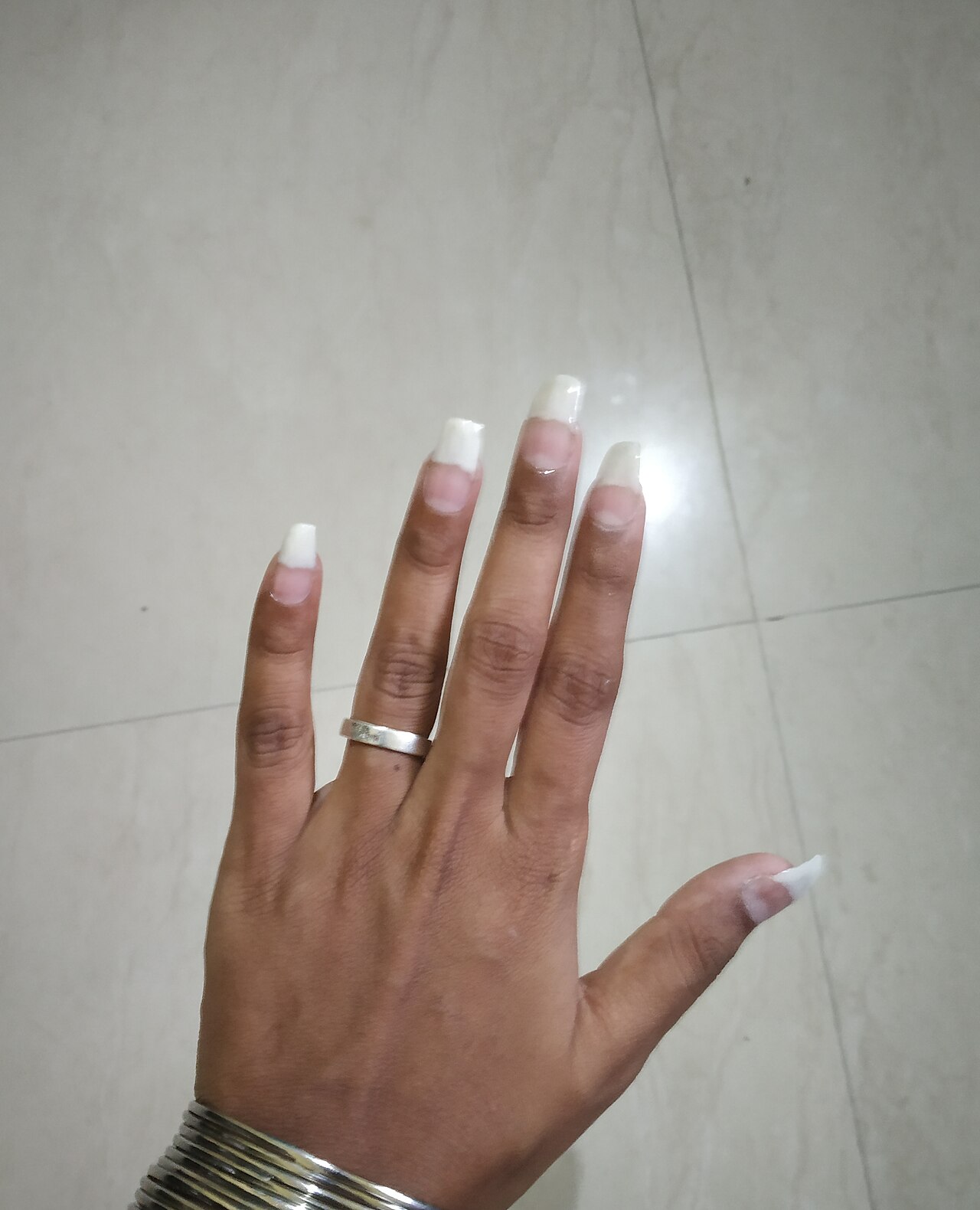
Every length change, up or down, comes with about a week of clumsiness. Going longer, you will fumble cards, misjudge keyboards, and catch tips on seatbelts and can tabs. Going shorter after months of length is its own surprise: you will press too hard, overshoot small objects, and miss the built-in tool you had been using to peel, pry, and tap. Neither week means the choice was wrong. It is your hands recalibrating to different leverage, and it settles within days if you slow down on prying tasks and use fingertips deliberately.
The staged approach avoids the worst of it. Add length gradually across two or three fills instead of jumping from short to long in one appointment, and shorten the same way when a demanding season approaches. Because a set grows between appointments anyway, the length you leave the salon with is the shortest it will be; plan the starting point with three weeks of growth in mind.
Jobs that overrule the seasons
Some work decides length all year. Healthcare and food handling roles often have written policies that cap length or bar enhancements outright, and those rules win over any seasonal plan. Childcare for babies and toddlers is a year-round short-to-medium case too, since buckles, snaps, and nappy changes do not take a season off. When Purple Pinkie Salon clients in Albemarle describe their work first and their preferred look second, the length usually picks itself, and the seasonal checklist becomes a fine-tuning tool rather than the main decision.
A simple year that works for many people
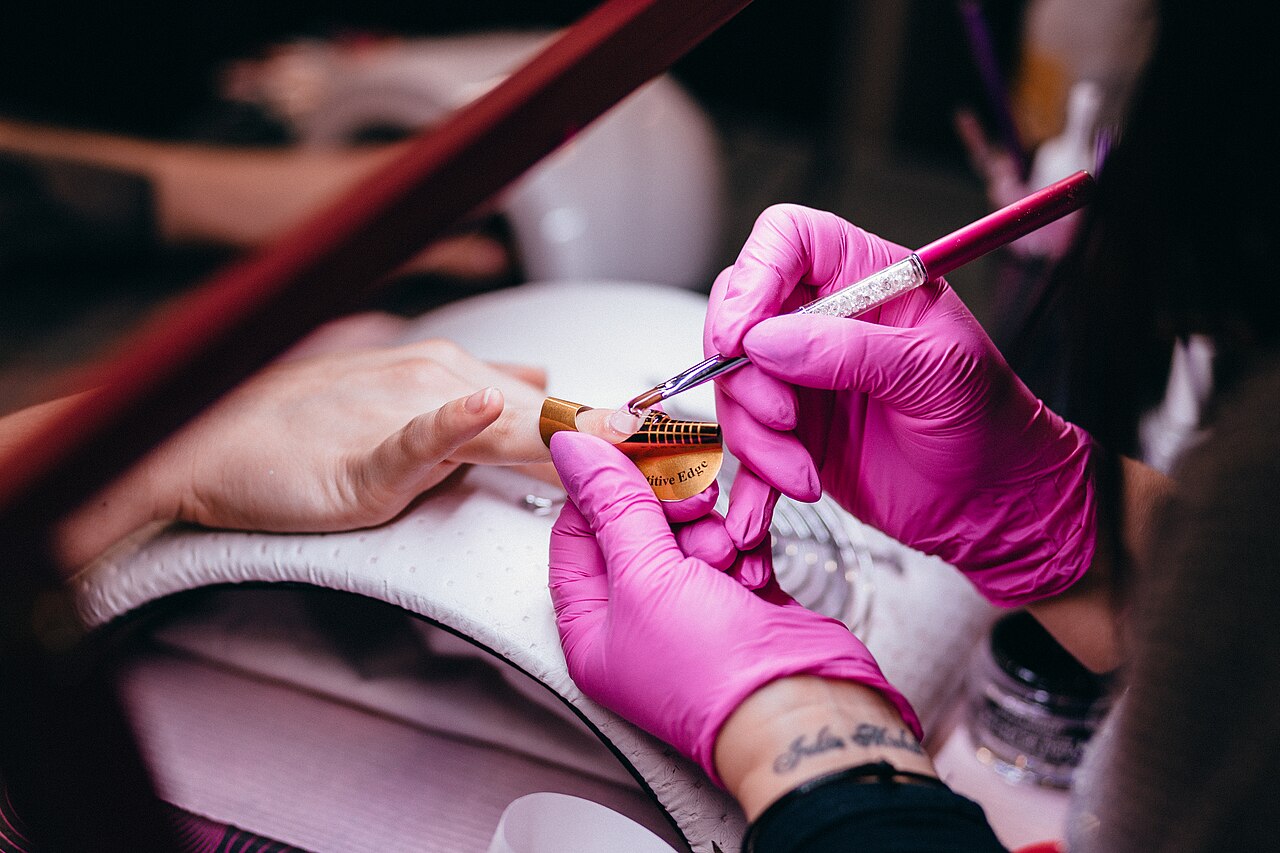
Short through the garden and swim months, medium for the fall, a brief longer set only if a specific event calls for it, and back to short-medium for the dry winter weeks. That pattern follows the hands rather than the photos, and it keeps breakage repairs rare. Whatever pattern you choose, repeated cracking at the same spot is the signal to shorten at the next fill and reshape, rather than rebuilding the same length and expecting a different result.
Common questions
How much length can be taken off at a fill?
A set can be shortened and reshaped at a fill without full removal. Your technician rebuilds the structure to suit the new, shorter length in the same visit.
Why do my nails break more in winter at the same length?
Dry nails flex less. Heated indoor air pulls moisture from the nail plate, so a length that bent safely in summer takes the same knocks with less give in winter.
Is a longer set worth it for one special event?
It can be, if you book it close to the event and shorten soon after. The risk window is the ordinary weeks on either side, not the event day itself.
Photos in this guide are representative stock images.
← All guides from Purple Pinkie Salon← Back to Purple Pinkie Salon