If you have never thought about toenails in winter, you are in the majority. Sandals come off in Albemarle sometime in the fall, boots and closed shoes take over, and toenails disappear from view until spring. First-timers to winter nail care usually ask the same thing in March: the polish has been on since the holidays, the nails look yellow, and one of them feels thicker than it used to. Is any of that a problem?
Mostly, no, and the walkthrough below is the whole routine. It is written for someone doing this for the first time: what to take off, what to look at, what to do next, and what deserves a closer look from a professional.
First, clear the picture
You cannot assess a nail you cannot see. Old polish has to come off before any of the checks below mean anything, and winter-old polish takes more patience than a summer change. It is thicker at the edges, brittle, and often layered over a base that has dried out. Soak a cotton pad in remover, hold it on the nail to soften the polish, then wipe, rather than scrubbing or scraping. Peeling polish off in flakes feels satisfying and takes thin layers of nail surface with it, which is the single most common cause of the rough, weak nails people blame on winter itself.
The first-timer walkthrough
- Remove all the polish. Use the soak-and-wipe method above, including the edges and the skin fold at the base, where old color hides.
- Wash and dry properly. Warm water, a proper dry between the toes, and good light. Most winter checks fail because they happen in a dim bathroom.
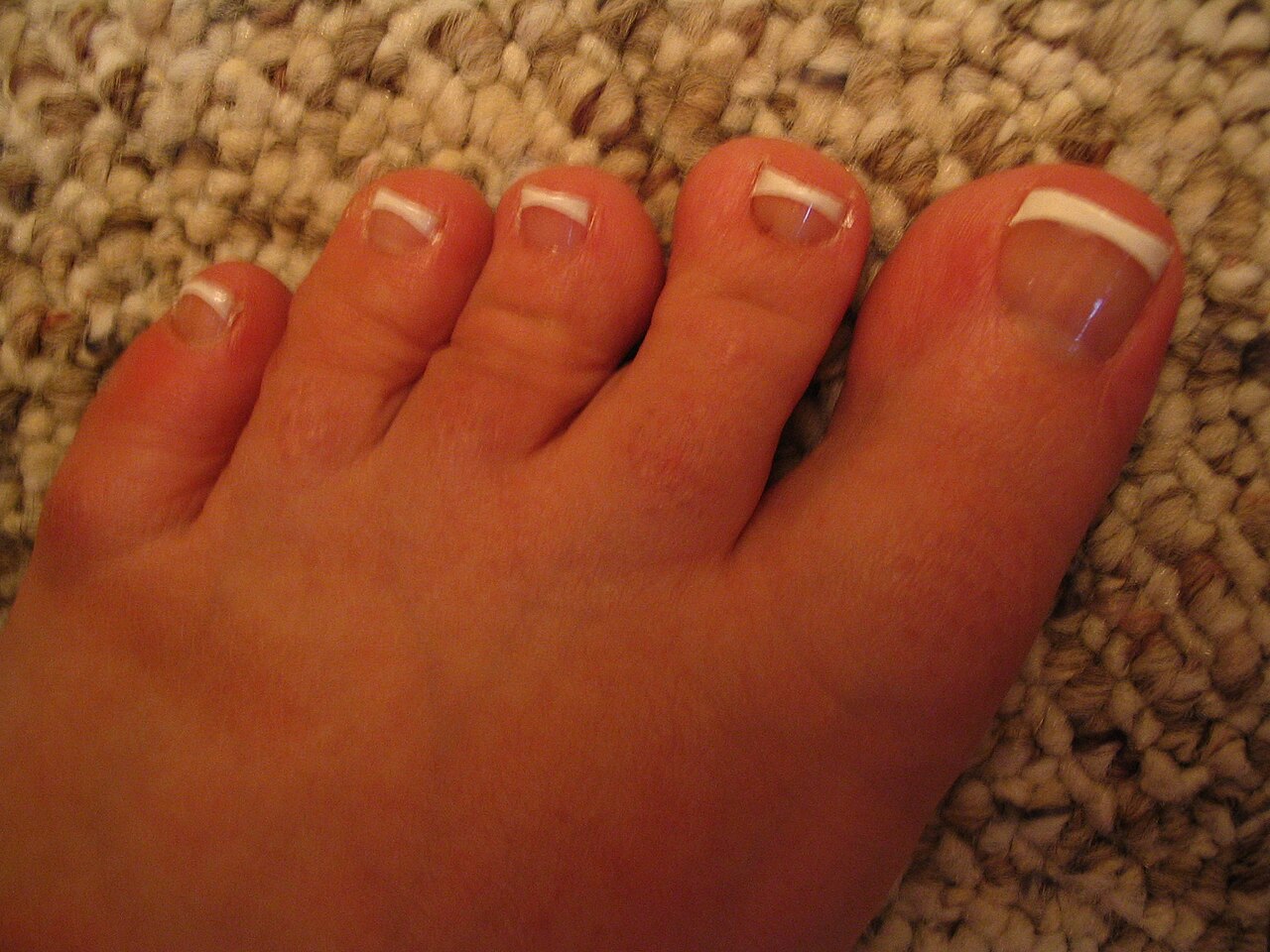
- Read the color. Healthy nails are a fairly even pinkish tone with a paler free edge. Yellow that matches a season of dark polish is usually surface staining. A single dark streak, white crumbly patches, or one nail changing on its own is worth noting.
- Feel the surface and thickness. Run a fingertip across each nail. It should feel smooth and lie flat. Thickening, ridges that are new, or an edge lifting away from the bed are findings, not emergencies, but they should not be polished over and forgotten.
- Trim straight across. Cut to a length that clears the end of the toe without rounding the corners down. Corners cut too deep are how ingrown edges start, especially once snug boots press on them.
- File one rough edge smooth. A gentle pass with a file stops a rough corner snagging socks, which can tear a dry winter nail lower than you would like.
- Moisturize and decide. Work moisturizer over feet and nails after bathing. Then choose: fresh polish with a base coat, a polish-free stretch with oil on the nails, or a maintenance pedicure with no color at all.
What the yellowing actually is
Dark polish pigments, reds and deep plums especially, stain the top layers of the nail plate over a long wear. The stain sits in the surface, not in the nail bed, and it grows out as the nail grows, which for toenails is slow: a big toenail can take a year or more to replace itself fully. Light staining often fades noticeably in the first weeks after removal. A stain-resistant base coat under dark colors is the prevention, and it is the step most home polish routines skip. Yellowing paired with thickening or crumbling is a different picture from staining alone and is the combination to have checked in person.
Through the rest of winter
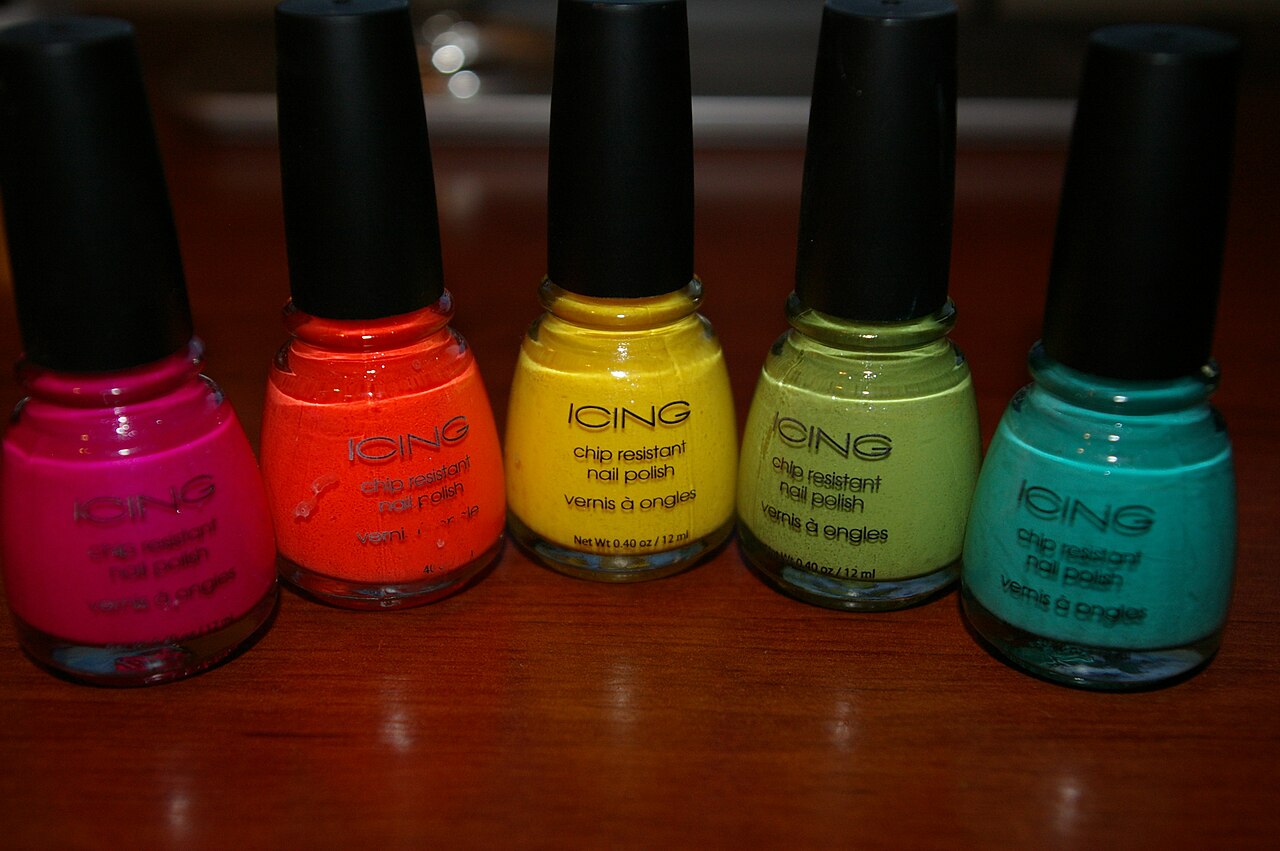
Once you have done the full check once, keeping it up is light work. Change or remove toenail polish roughly monthly, trim before nails press into the toe box of your boots, and moisturize after showers while the heating is running and indoor air is dry. If you would rather skip color until spring, that is a sound choice, and a pedicure at Purple Pinkie Salon in Albemarle can cover the trimming, cuticle, and callus care with a plain buffed finish instead of polish. The habit that matters is the inspection, not the polish decision either way.
Common questions
Do toenails need a break from polish in winter?
They do not need air, since nails get nutrients from the blood supply below. A break is useful only because bare nails are easy to inspect and oil, not because they breathe.
My toenail looks yellow after removal. Should I worry?
Even yellowing after months of dark polish is usually surface staining that grows out. Thickening, crumbling, or lifting alongside the color change is the pattern to have checked.
How short should toenails be for boots?
Trimmed straight across and level with the end of the toe is the guide. Shorter invites ingrown corners under boot pressure; longer presses into the toe box.
Photos in this guide are representative stock images.
← All guides from Purple Pinkie Salon← Back to Purple Pinkie Salon