A basic pedicure keeps toenails trimmed, cuticles tidy, and polish fresh. A spa pedicure adds the steps aimed at the skin and muscles: exfoliating scrubs, a hydrating mask with hot towels, and a longer massage. Skipping the skin work is fine for a while. The cost of skipping it for a year or two is not dramatic, but it is real, and it shows up as callus that thickens faster than home care can manage, heels that crack at the edges, and feet that ache through every standing shift in Albemarle.
Neglect in foot care rarely announces itself. It accumulates in small layers, literally, and each layer makes the next one harder to reverse at home.
The numbers behind the build-up
Those figures explain the pattern technicians see. Callus is protective skin, and your body keeps making it on schedule whether you clear the old layer or not. A monthly scrub and callus reduction keeps the layer thin and flexible. Leave it for a season and the layer gets thick enough to crack under pressure, especially in open-backed shoes, where the heel spreads sideways and the skin splits at the edge. A crack is the turning point: a surface nuisance becomes an open break in the skin, and from there it is soreness, careful walking, and a slower fix.
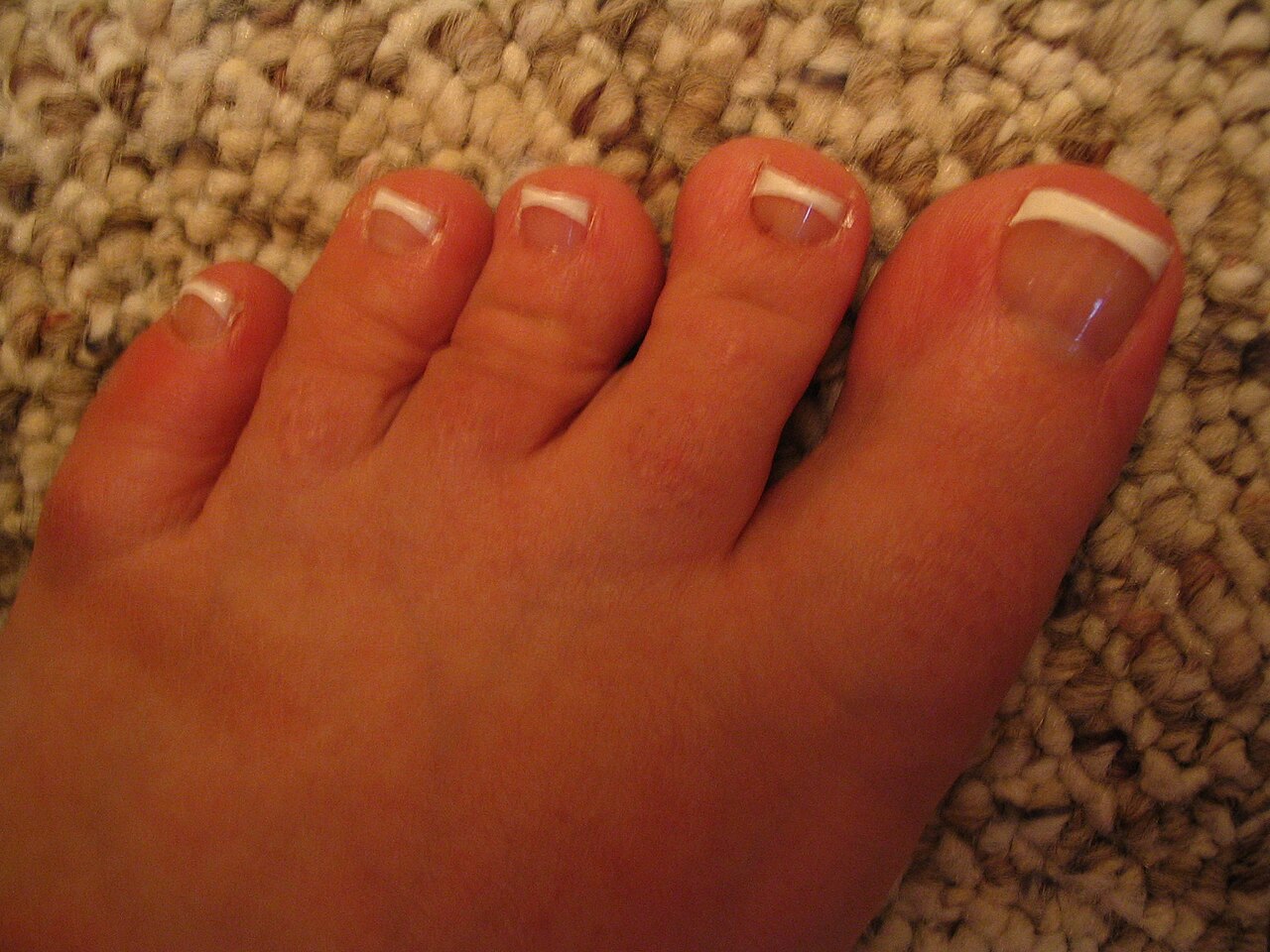
How a small problem becomes a big one
Start with dry skin, the stage most people live in without complaint. Dry skin on the heel roughens, then thickens into callus. Thick callus loses flexibility, so it begins to crack in fine lines. Fine cracks deepen in winter, when heated air dries skin further, or in summer sandal months, when the heel is unsupported. A deep crack hurts with every step, changes how you walk, and can leave knees and lower back sore from the compensation. At that stage a salon visit helps the surface, but a crack that bleeds, will not close, or keeps returning in the same place needs medical attention, and anyone with diabetes or poor circulation should treat foot cracks as a prompt for professional care, not a pedicure booking.
The same slow pattern applies to toenails. Nails trimmed regularly stay a comfortable length for shoes. Nails left for months press into the toe box, and the pressure can bruise the nail bed or push an edge into the skin. None of this requires a spa pedicure specifically; it requires regular attention, and the spa version simply bundles the skin attention that a basic service leaves out.
What the spa steps prevent, in plain terms
The scrub clears the loose layer so callus work is even and moisturizer can reach living skin. The mask and hot towels restore moisture to skin that daily lotion has stopped penetrating. The longer massage does the least for skin and the most for the ache: feet and calves that stand on concrete or tile all day in Stanly County workplaces hold tension that a two-minute lotion pass does not touch. Skipping massage costs you comfort, not health. Skipping exfoliation and callus care for long stretches is the part that compounds.
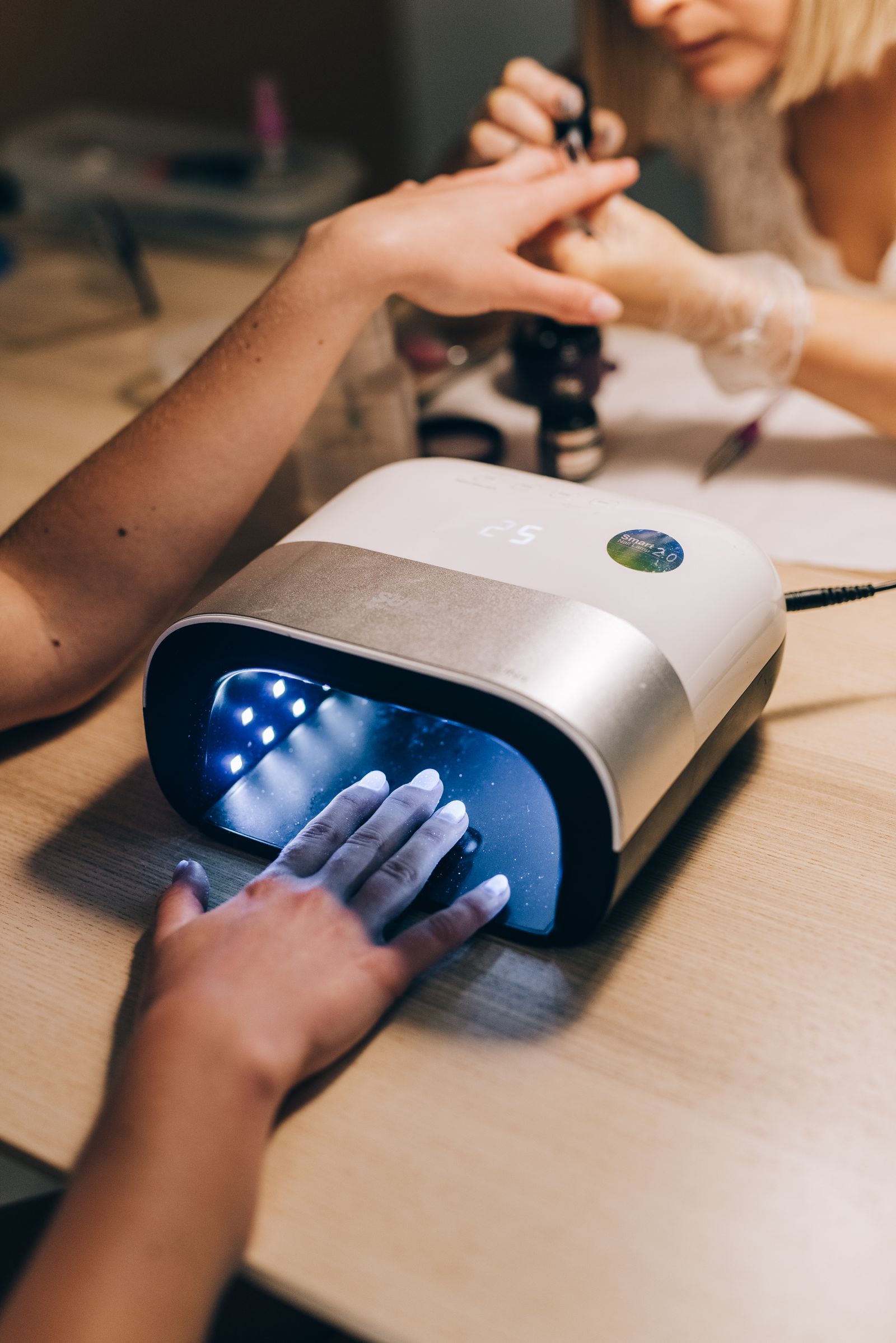
A workable rhythm for most people is a full pedicure on a regular cycle with basic home care between visits: moisturizer after bathing, a pumice used gently on damp heels, and nails kept trimmed. At Purple Pinkie Salon in Albemarle, spa pedicures are on the regular service list, so the skin-focused version is there for the visits when your feet need more than polish, and the basic version covers the tidy-up visits in between.
Common questions
How often do feet actually need the spa version?
When heels are roughening faster than home moisturizer handles, or before sandal season after a winter of build-up. In between, basic pedicures with home care hold the result.
Can thick callus be fixed in one visit?
It can be reduced safely in one visit, but very thick callus is taken down in stages across visits. Removing too much at once leaves feet sore and can break the skin.
Are cracked heels ever a medical issue instead?
Yes. Cracks that bleed, stay open, or come with diabetes or circulation problems should be assessed medically first. Salon care is for surface dryness and early callus.
Photos in this guide are representative stock images.
← All guides from Purple Pinkie Salon← Back to Purple Pinkie Salon